
Wednesday, December 7, 2011

Saturday, December 3, 2011
Irish Wake
The mother of a colleague at work died last week. She had lived to her early nineties, and in her later years there had been that sad wandering from self that can make death a release and a relief for a family. When I offered condolences early one morning passing my colleague in the halls, Pat gave me a gentle smile. She had managed her farewells to her mother a long time ago.
A Catholic of my own generation, Pat is articulate, well educated and utterly efficient. Her family gatherings – among the most recent her own daughter’s wedding – get into narratives that people at work recognize as Pat’s. It is a large family that many of us met just a few years back at the funeral of a sister; her struggle with cancer had been quiet and heroic.
I arrived at the funeral home in a suburb of Boston yesterday in the late afternoon. It was a place whose address I needed to check on my phone at a certain point. I parked a block before the turn off for a parking lot that I expected to find crowded.
I did not see people from work on the walkways leading to the home. Some colleagues had talked about finishing their Friday work early in the interests of an easier commute to the suburban neighborhood. I got ready to greet Pat and her family on my own rather than as part of a familiar group.
At the front door of the white clapboard building, an employee of the parlor was waiting to greet me. When I nodded at him and started toward the line of people ahead of me down the hall, the gentleman extended his arm in the direction of a room to my left.
“This way, sir.”
With his guidance I found myself walking through two rooms to where the real end of the line of visitors was. I would eventually wend my way through still another room and then down two hallways before I got to the viewing area where Pat and her family greeted the arrival of wave after wave of friends and neighbors.
The laughter of recognition. Expansive embraces. Introductions and conversations, one head leaning close to another in confidential exchange.
Everywhere around the rooms and down the hallways had been photographs of a large, active Boston Irish family and their matriarch – wedding portraits, graduation groupings, vacation vans, anniversary celebrations. Everywhere had been flowers with the names of their donors prominently displayed and easily legible.
This was a Boston I could brush up against again and again and never fully know – a Boston of neighborhoods and Catholic parishes and parochial school friendships that lasted for decades. It was a Boston that had once boasted a priest in every family. It was a Boston down whose funeral parlor hallways generations of families had lined to greet the newly bereaved of other families they knew.
I arrived home over an hour later and amid the familiar intimacies of a Christmas season felt a newcomer still.

A Catholic of my own generation, Pat is articulate, well educated and utterly efficient. Her family gatherings – among the most recent her own daughter’s wedding – get into narratives that people at work recognize as Pat’s. It is a large family that many of us met just a few years back at the funeral of a sister; her struggle with cancer had been quiet and heroic.
I arrived at the funeral home in a suburb of Boston yesterday in the late afternoon. It was a place whose address I needed to check on my phone at a certain point. I parked a block before the turn off for a parking lot that I expected to find crowded.
I did not see people from work on the walkways leading to the home. Some colleagues had talked about finishing their Friday work early in the interests of an easier commute to the suburban neighborhood. I got ready to greet Pat and her family on my own rather than as part of a familiar group.
At the front door of the white clapboard building, an employee of the parlor was waiting to greet me. When I nodded at him and started toward the line of people ahead of me down the hall, the gentleman extended his arm in the direction of a room to my left.
“This way, sir.”
With his guidance I found myself walking through two rooms to where the real end of the line of visitors was. I would eventually wend my way through still another room and then down two hallways before I got to the viewing area where Pat and her family greeted the arrival of wave after wave of friends and neighbors.
The laughter of recognition. Expansive embraces. Introductions and conversations, one head leaning close to another in confidential exchange.
Everywhere around the rooms and down the hallways had been photographs of a large, active Boston Irish family and their matriarch – wedding portraits, graduation groupings, vacation vans, anniversary celebrations. Everywhere had been flowers with the names of their donors prominently displayed and easily legible.
This was a Boston I could brush up against again and again and never fully know – a Boston of neighborhoods and Catholic parishes and parochial school friendships that lasted for decades. It was a Boston that had once boasted a priest in every family. It was a Boston down whose funeral parlor hallways generations of families had lined to greet the newly bereaved of other families they knew.
I arrived home over an hour later and amid the familiar intimacies of a Christmas season felt a newcomer still.

Thursday, December 1, 2011

Sunday, November 20, 2011
The Ease of It All
Late Saturday afternoon a week ago, I was walking the Cape Cod National Seashore. In the company of four members of my family, I withstood the winds along the nearly empty beach. It was a dramatic landscape onto which we had launched ourselves for the short time. Everything about the wide sky above and before us spoke of winter coming, of cold deepening as each week passed, of darkness settling in earlier and earlier.

According to plan, early that evening two cars with those four members of the family pulled onto Route 6A. Within an hour they would be off the Cape; in another hour they would all be home. I would be sitting on the back deck of my niece's house in Eastham by then. Away from the shore there were no more winds, and a forecast rise in temperatures had already set in. The moon was big in the black sky. From the radio in my niece's kitchen I could hear a station familiar from last July, Outermost Radio in Provincetown. With summer instincts, I raised my BlackBerry camera to the sky.

Waking up alone in the Eastham house the next morning, I took my time showering, got in the car and went for breakfast at the Fairway. Afterwards I took a coffee with me and parked in the lot at Nauset Light. I rolled down the windows, sent out a couple of text messages, and wondered at the ease of it all.
What winter ever had the final word?


According to plan, early that evening two cars with those four members of the family pulled onto Route 6A. Within an hour they would be off the Cape; in another hour they would all be home. I would be sitting on the back deck of my niece's house in Eastham by then. Away from the shore there were no more winds, and a forecast rise in temperatures had already set in. The moon was big in the black sky. From the radio in my niece's kitchen I could hear a station familiar from last July, Outermost Radio in Provincetown. With summer instincts, I raised my BlackBerry camera to the sky.

Waking up alone in the Eastham house the next morning, I took my time showering, got in the car and went for breakfast at the Fairway. Afterwards I took a coffee with me and parked in the lot at Nauset Light. I rolled down the windows, sent out a couple of text messages, and wondered at the ease of it all.
What winter ever had the final word?

Tuesday, November 15, 2011
Along a November Trail
Imagine living a life in which no one else has to be interested.
I am enjoying Piano Lessons by NPR commentator Noah Adams. A friend in his forties who has recently begun to take piano lessons mentioned the book to me. The copy that I borrowed from a nearby public library has been well handled, well used since the appearance on the shelves of this 1997 first edition. I live in a Public Radio kind of town.
You write a certain way if you are an NPR commentator. Your livelihood depends on living a life in which people are interested – or at least writing about it as though they should be. My friend learning the piano admits to being sad approaching the end of this narrative of a year in the life of an adult learner like himself.

This past weekend I accompanied my oldest brother, his wife, his grown daughter and his two-year-old grandson on a morning walk through a nature preserve on Cape Cod. The path we followed was quiet that early on a Saturday, but it was not empty. The wind was up, and we kept up our pace. When we had completed the trail and returned to the visitors' center, we seemed to separate fairly quickly and settle before different exhibits and into various interactive spaces.
In our walk I had been explaining to my brother some of the dynamics of writing a blog like Writing Cabin. I mentioned to him the variety of readers – a woman from France whose English class had once translated a posting about our mother's grandfather clock, twin brothers who had been classmates of mine in a New Orleans high school. When I took a picture of red berries on one bush along the trail and another picture of blue berries on a juniper tree, I did not inform my brother that the images would likely appear in a posting I would soon write for Writing Cabin.

Sturdy and hale, my brother is barely a month into his seventies. I watched him seated in the visitors' center after our walk. He had taken one of the chairs that was set up for observing the birds and squirrels in a protected area beyond a large picture window. He was very still. I don't recall ever having seen him that still before or for that long.
Ordinarily at the side of his grandson on these outings, pointing things out, naming and explaining and describing, my brother looked briefly like someone who had a morning hour that only he could live, a life that only he could explore. It was as though he were testing out what it might be like to have a morning in which no one else needed to be interested.

Bloggers – as well as NPR commentators – love to write about moments like that.
I am enjoying Piano Lessons by NPR commentator Noah Adams. A friend in his forties who has recently begun to take piano lessons mentioned the book to me. The copy that I borrowed from a nearby public library has been well handled, well used since the appearance on the shelves of this 1997 first edition. I live in a Public Radio kind of town.
You write a certain way if you are an NPR commentator. Your livelihood depends on living a life in which people are interested – or at least writing about it as though they should be. My friend learning the piano admits to being sad approaching the end of this narrative of a year in the life of an adult learner like himself.

This past weekend I accompanied my oldest brother, his wife, his grown daughter and his two-year-old grandson on a morning walk through a nature preserve on Cape Cod. The path we followed was quiet that early on a Saturday, but it was not empty. The wind was up, and we kept up our pace. When we had completed the trail and returned to the visitors' center, we seemed to separate fairly quickly and settle before different exhibits and into various interactive spaces.
In our walk I had been explaining to my brother some of the dynamics of writing a blog like Writing Cabin. I mentioned to him the variety of readers – a woman from France whose English class had once translated a posting about our mother's grandfather clock, twin brothers who had been classmates of mine in a New Orleans high school. When I took a picture of red berries on one bush along the trail and another picture of blue berries on a juniper tree, I did not inform my brother that the images would likely appear in a posting I would soon write for Writing Cabin.

Sturdy and hale, my brother is barely a month into his seventies. I watched him seated in the visitors' center after our walk. He had taken one of the chairs that was set up for observing the birds and squirrels in a protected area beyond a large picture window. He was very still. I don't recall ever having seen him that still before or for that long.
Ordinarily at the side of his grandson on these outings, pointing things out, naming and explaining and describing, my brother looked briefly like someone who had a morning hour that only he could live, a life that only he could explore. It was as though he were testing out what it might be like to have a morning in which no one else needed to be interested.

Bloggers – as well as NPR commentators – love to write about moments like that.
Sunday, November 6, 2011
Anniversary

On November 1 of this year, I observed the tenth anniversary of my father’s passing.
The evening before, I had begun work on a project that had as its earliest goal the easy creation of a Christmas gift that I could give to each of my brothers and each of my nieces and my nephew. With the thought of publishing a small book on a site like Blurb.com, I had set out to collect any postings in this blog in which I reflect on my parents and what I remember of them. A touching tribute, no?
What happened, however, is that I searched the blog and read – again and again – a record that was not always and everywhere a tribute.
I found questions.
I found what had been hard at times to say, what had been difficult to admit.
What right, I found myself eventually asking, did I have to present to the members of my family a book punctuated by those questions, those admissions, those difficulties?
Would I transgress some ethical boundary if I suggested that life growing up in that house had sometimes been hard?
Would I disturb in others memories best left forgotten or, more painful still, private and unnamed?
I have time to mull. I can give myself the leisure of some days and weeks to ask: better not to touch this topic? better to let it stay just mine? better to look across a Christmas table and smile and laugh and give a future the chance to unwind without its real past?
Sunday, October 23, 2011
The Places We Need
A friend is enjoying the final morning of a weekend retreat. He is in a place I know well, and it is easy to imagine the options from which he chooses the path for his last walk under a cool but sunny October sky. It is his birthday today, and he returns this afternoon to his family and its plans and its needs. With the retreat, he made a distinctive choice for how to usher in this next chapter of his life. It is a choice I understand.
Another friend is walking the streets of New York this morning. He is alone after an evening gathering of old friends and former colleagues. His train leaves in a couple of hours, but he heads this morning to places that he knows well from living here twenty years ago. He is a planner, and so I imagine he walks with a departure time guiding his steps, his pace. The city around him is an environment in which some people walk comfortably with themselves. This friend certainly does.
I reflect this morning on fresh memories of standing in a sunny field threaded by low stone walls. I had set out early yesterday with maps and directions to an old farm in the Blackstone River valley. Driving there alone, I got to make as many wrong turns as I needed near the end of the trip. Far from highways and interstates, I had almost resigned myself to not finding Cormier's Woods. I was ready to undertake the hour drive home when the road sign appeared, and in ten minutes I was standing alone in a quiet New England field.
We all get to the places we need.

Another friend is walking the streets of New York this morning. He is alone after an evening gathering of old friends and former colleagues. His train leaves in a couple of hours, but he heads this morning to places that he knows well from living here twenty years ago. He is a planner, and so I imagine he walks with a departure time guiding his steps, his pace. The city around him is an environment in which some people walk comfortably with themselves. This friend certainly does.
I reflect this morning on fresh memories of standing in a sunny field threaded by low stone walls. I had set out early yesterday with maps and directions to an old farm in the Blackstone River valley. Driving there alone, I got to make as many wrong turns as I needed near the end of the trip. Far from highways and interstates, I had almost resigned myself to not finding Cormier's Woods. I was ready to undertake the hour drive home when the road sign appeared, and in ten minutes I was standing alone in a quiet New England field.
We all get to the places we need.

Thursday, October 20, 2011
Father Love
 I will admit that I cried when I first saw this photograph on eBay.
I did not need to know who the father was, where he had lived or when. I did not need to know who had taken the photograph. I wager a reaction similar to mine, however, had motivated someone to pick up the camera just then. The record of a father's love on a Sunday afternoon...
Who does not want a Sunday afternoon like that? Who does not want a father like that? Who does not want to live with that memory somehow touching every Sunday he still gets to live?
Saturday, October 8, 2011
Red Beans
It is the early morning hour of a day you have dinner guests.
The red kidney beans have soaked all night.

After work yesterday you went to the grocery store and picked out your sweet onions, the green peppers, the stalks of celery. You hunted and found the smoked ham hocks required by the familiar Paul Prudhomme recipe. You decided against more white pepper and cayenne pepper -- you know your mother's Monday pot of red beans never needed them.
Twelve hours to let all those ingredients bubble and thicken on the right front burner of your stove before you are ready to fix each of your guests a Sazerac cocktail. And then your New Orleans act can end.

You know these two guests well. You know you can get them to tell you more about Spain and the vacation there that they arranged for their families this past summer. You know they will be ready with questions about your own venture last weekend into the rainy Berkshires. They will understand a Melville pilgrimage.

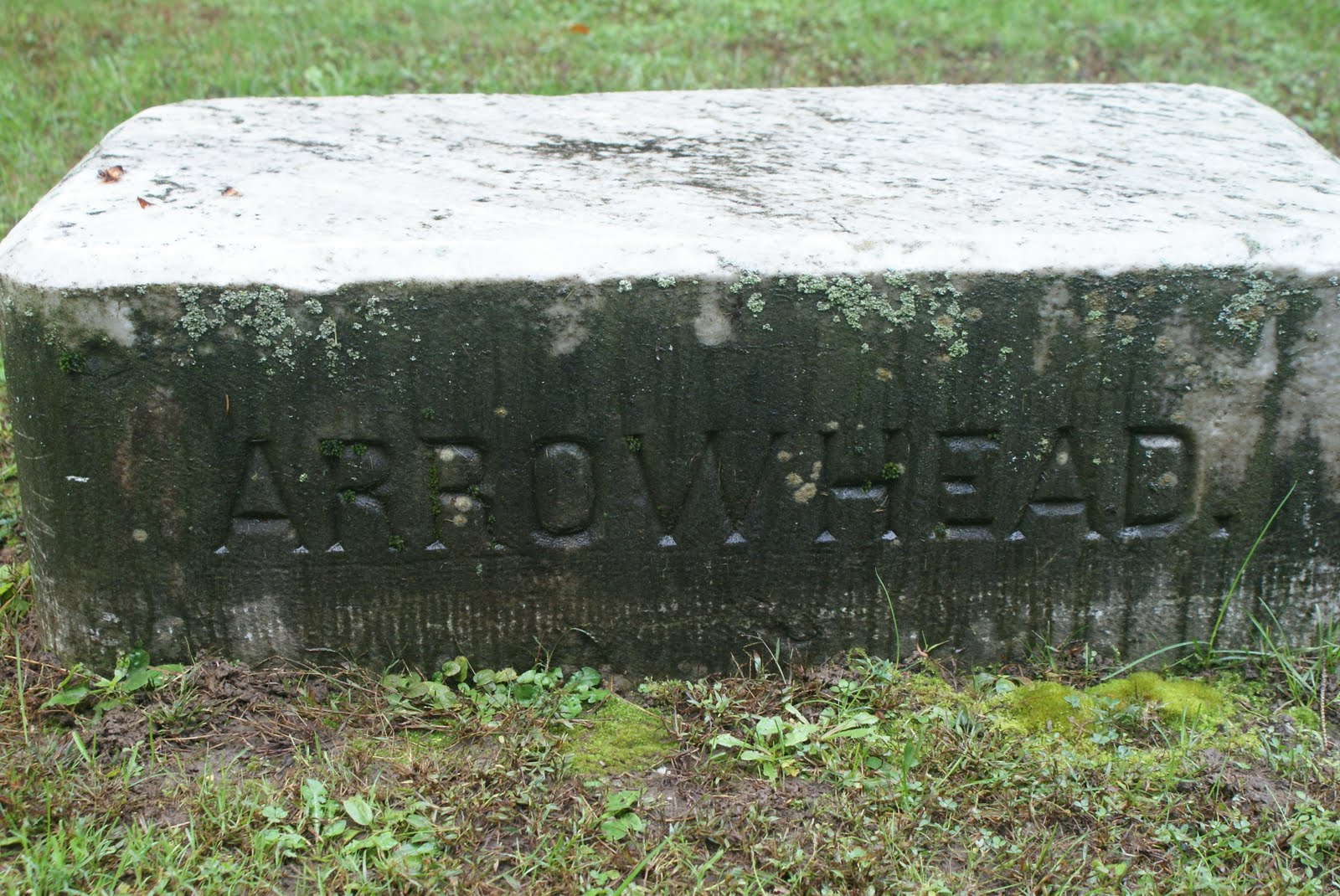
You will not talk, though, about the grey skies above the field behind Arrowhead, the Pittsfield farm where Melville completed Moby Dick within sight of the mountains. You will keep that memory for yourself, the quiet, the cool air, the sense of yourself that comes in those moments.
Your guests are bringing a creamy Spanish dessert. The moment in which it comes out at meal's end will find each person at table smiling with his distinctive memories.

The red kidney beans have soaked all night.

After work yesterday you went to the grocery store and picked out your sweet onions, the green peppers, the stalks of celery. You hunted and found the smoked ham hocks required by the familiar Paul Prudhomme recipe. You decided against more white pepper and cayenne pepper -- you know your mother's Monday pot of red beans never needed them.
Twelve hours to let all those ingredients bubble and thicken on the right front burner of your stove before you are ready to fix each of your guests a Sazerac cocktail. And then your New Orleans act can end.

You know these two guests well. You know you can get them to tell you more about Spain and the vacation there that they arranged for their families this past summer. You know they will be ready with questions about your own venture last weekend into the rainy Berkshires. They will understand a Melville pilgrimage.

You will not talk, though, about the grey skies above the field behind Arrowhead, the Pittsfield farm where Melville completed Moby Dick within sight of the mountains. You will keep that memory for yourself, the quiet, the cool air, the sense of yourself that comes in those moments.
Your guests are bringing a creamy Spanish dessert. The moment in which it comes out at meal's end will find each person at table smiling with his distinctive memories.
Thursday, October 6, 2011
French Teacher
 In a bookstore in New Orleans this evening, a woman will read from a recently published book of her poetry. Emails from the bookstore keep me posted on such events. Ever since the December after Katrina, when I ordered my Christmas gifts from the store, I have received these regular prompts to imagine literary evenings in an uptown neighborhood of New Orleans.
I do not hesitate on a busy day to delete emails sent from the bookstore. After all, what’s the likelihood of my being in my hometown anytime soon?
In this morning’s email, though, I discovered a name that started me remembering. Forty years ago, as a sophomore in college, I had taken a course in twentieth-century French literature. It was a 400-level course taught entirely in the target language, and I had just begun my study of French the year before. After summer courses on the 200-level and a readings course from a delightful dandy of a teacher who taught perched on the edge of his desk, I resolved to take a serious plunge.
Madame was my serious plunge.
In my years of schooling I had grown accustomed to teachers who clearly took pains to win their students over. There were rewards for doing well – praise, smiles, the suggestion that we were on our way to interacting as colleagues. In contrast, I sat in my first week of classes on twentieth-century French authors and encountered a teacher who was not going to woo me or anyone else in the room.
Every class I listened to a French that was classically calm, sophisticated in its distinctions, never sentimental or fussy or confused. About Madame there was the severe elegance of the French academic. Or so I surmised, barely twenty years old myself and five years away from my first view of Paris.
The truth, hard to credit, is that she had been a woman in her mid-30s at the time, a young woman who had grown up in Colorado and Texas. She spoke, nonetheless, with authority about Gide and Giraudoux and Sartre and Proust.
Somehow or other, I have to think, she was even then in the process of becoming the woman who could write thirty years later:
…at most periods our lives just flow through undifferentiated and unremarkable territory… But there are exceptional moments when we become aware of the terrain, or realize it has changed under us, and at crucial times we find ourselves on an apex, looking Janus-like at ourselves and our possibilities—the past sloping one way, the future another.
I continue to learn my lessons.
So, I suspect, does Madame.
Passage quoted from Finding Higher Ground: A Life of Travels (2003) by Catharine Savage Brosman
Subscribe to:
Comments (Atom)